Thousands of children in the metro area with hearing loss endure uncomfortable hearing aid fittings multiple times each year, but new research using artificial intelligence technology aims to make the process quicker and more comfortable.
Nine-year-old Journey Williams has been in and out of doctors’ offices her entire life.
“I was born with hearing loss, so, I had tubes in my ears and I had holes so they help my hear better,” Journey said.
Journey’s mother, Carolyn McCowin, said her daughter did not pass her hearing screening as a newborn.
“I was kind of devastated because I didn’t really understand what that meant at the time, and they didn’t have any answers,” McCowin said.
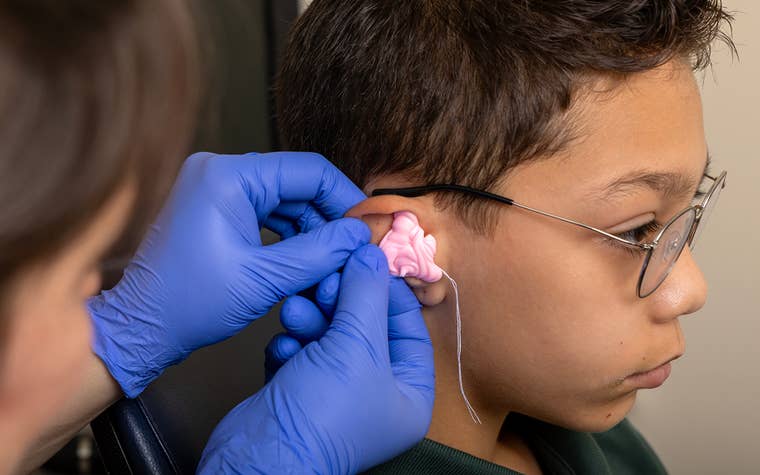
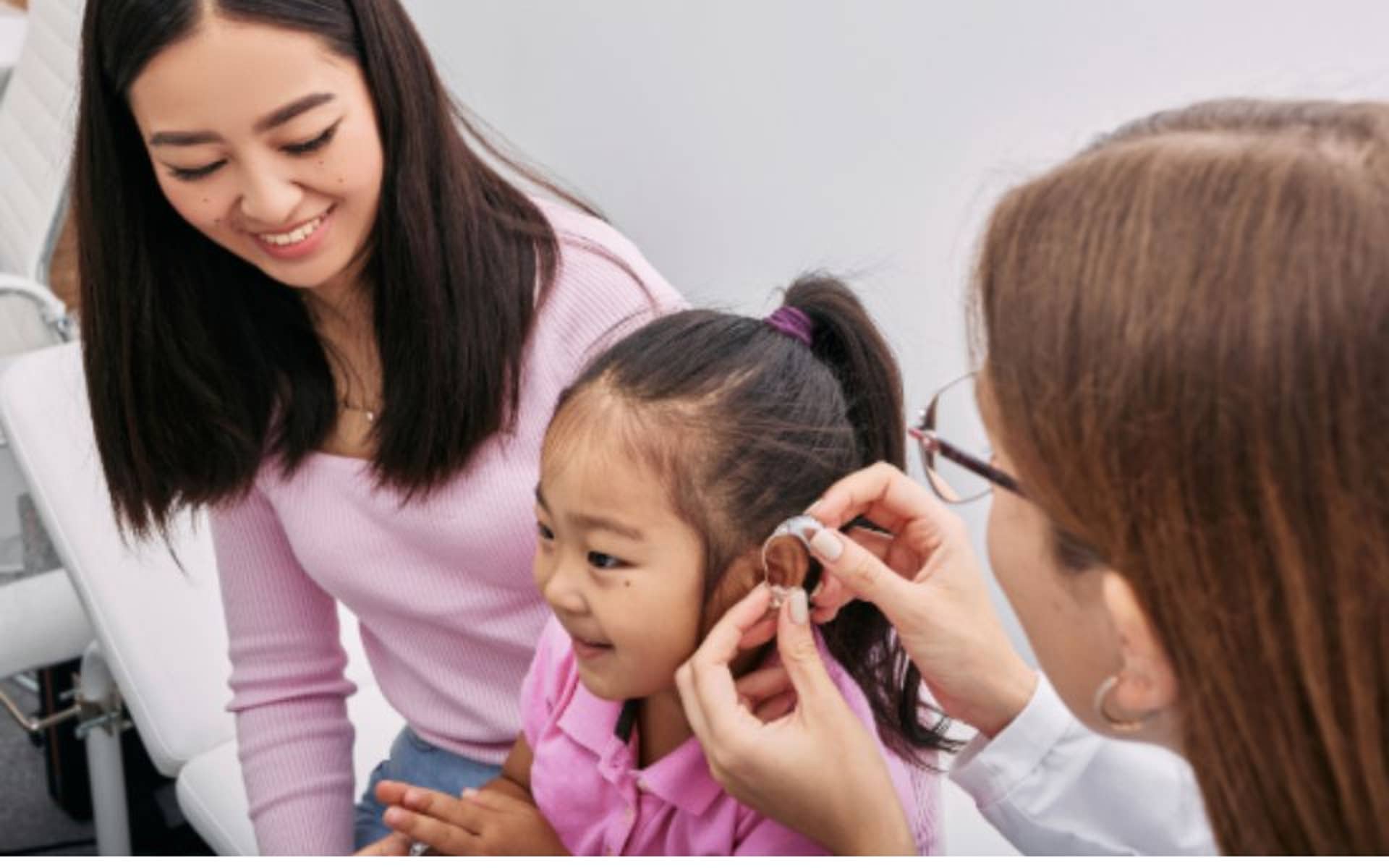
To correct her hearing loss, doctors fitted Journey for her first hearing aid as an infant. McCowin said the process involved making molds for Journey’s ears when she was very small.
AI technology could eliminate physical impressions
Dr. Ryan McCreery, Boys Town Vice President of Research, said the current fitting process is not always pleasant for children.
“It can be really scary for kids because they don’t know what’s going on even if we explain to them and show them what they’re doing, it can be very uncomfortable to do that,” McCreery said.
Because children’s ears grow quickly, they need new molds several times each year. A new research grant from Amazon Web Services could change that process.
“This is an idea where we’re using our research to develop an Artificial Intelligence model that will allow us to essentially make these ear molds for these babies and kids without having to take physical impressions of their ears,” McCreery said.
Doctors will use a light scan to map the ear canal to create a mold or use predictive technology from one impression to forecast how the child’s ear will grow. McCreery expects this technology to benefit almost 4,000 children across the metro area.
“We know that it’s a huge burden for families and so we’re certainly hoping they won’t have to come in as much and that will free up our audiologists’ time to do other things and help more people,” McCreery said.
Patient participation helps advance research
After nine years of regular fittings, Journey sees how this advancement could help other children like herself.
“It makes me feel good that other kids don’t have to go through pain,” Journey said.
Journey has participated in the research process by doing hearing studies and sitting for extra mold fittings. Her mother said Journey participates in many studies offered to help build this type of technology.
“She participates in a lot of the studies that they offer to help build technology like this. My kids have had a lot of opportunities to participate in and to help, so I’m really grateful for that,” McCowin said.
Boys Town says this technology and research could bring comfort to children and give parents and doctors some of their time back.
Testing for the newly developed hearing aids is planned for this summer. If successful, researchers hope to introduce the technology nationally and already have partnerships in Canada to potentially take it worldwide.
For more information on this story, click here.